Practical Driving Skills Beginners Need to Know
Learning to drive is an exciting milestone. It opens up new freedoms and responsibilities. For those just starting out, the road can feel overwhelming. But with the right approach, anyone can become a confident and safe driver. This guide shares practical tips every beginner driver needs to build strong driving skills and enjoy the journey ahead.
Essential Practical Driving Skills Beginners Should Master
Starting with the basics is key. Beginners should focus on mastering fundamental skills that form the foundation of safe driving. These include:
Controlling the vehicle smoothly: Practice gentle acceleration, braking, and steering to maintain control.
Understanding road signs and signals: Know what each sign means and how to respond.
Checking mirrors and blind spots: Always be aware of your surroundings.
Using turn signals properly: Communicate your intentions clearly to other drivers.
Maintaining safe following distances: Keep enough space to react to sudden stops.
For example, when approaching a stop sign, a beginner should come to a complete stop, look both ways, and proceed only when safe. This simple habit prevents accidents and builds confidence.
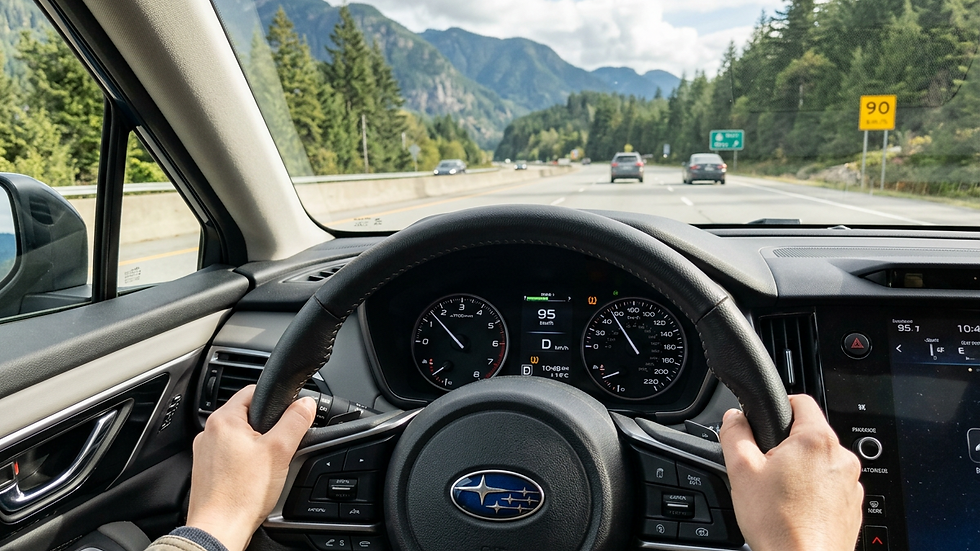
Practicing these skills in quiet parking lots or low-traffic areas helps beginners gain comfort before tackling busier roads. Repetition and patience are essential.
How to Learn the Basics of Driving?
Learning the basics requires a mix of study, practice, and guidance. Here are some effective steps:
Take a professional driving course: Enrolling in a reputable school provides structured lessons and expert feedback.
Study the driver’s handbook: Familiarize yourself with traffic laws and road signs.
Practice with a licensed adult: Gain real-world experience under supervision.
Start in low-risk environments: Empty parking lots or quiet streets are ideal for initial practice.
Gradually increase difficulty: Move on to busier roads, highways, and different weather conditions as skills improve.
Using a checklist can help track progress. For instance, a beginner might focus on mastering parallel parking one week, then practice lane changes the next.

Remember, learning to drive is a step-by-step process. Consistent practice and staying calm behind the wheel make a big difference.
Tips for Staying Safe and Confident on the Road
Safety is the top priority for new drivers. Here are some practical tips to stay safe and build confidence:
Always wear your seatbelt: It’s the simplest and most effective safety measure.
Avoid distractions: Put away phones and focus fully on driving.
Follow speed limits: Driving at a safe speed gives you more time to react.
Keep a safe distance: Tailgating increases the risk of collisions.
Use headlights in poor visibility: Rain, fog, or dusk require extra caution.
Stay calm and patient: Don’t rush or let frustration affect your driving.
For example, if a beginner feels nervous in heavy traffic, it’s okay to pull over safely and take a break. Building confidence takes time, and it’s important to listen to your feelings.
How to Handle Common Driving Challenges
Every driver faces challenges, especially beginners. Here’s how to handle some common situations:
Parallel parking: Practice in a quiet area using cones or markers. Break the maneuver into steps: align, reverse slowly, and adjust.
Merging onto highways: Use acceleration lanes to match traffic speed and signal early.
Night driving: Use high beams when appropriate but dim them for oncoming cars. Reduce speed and increase following distance.
Driving in bad weather: Slow down, use windshield wipers, and avoid sudden movements.
Dealing with aggressive drivers: Stay calm, avoid eye contact, and give them space.
These challenges become easier with experience. Beginners should not hesitate to ask for help or take additional lessons if needed.
Building Long-Term Driving Confidence and Skills
Driving is a lifelong skill that improves with practice. To keep growing as a driver:
Review and refresh knowledge regularly: Traffic laws can change.
Practice different driving conditions: Rain, night, highways, and city traffic.
Stay aware of your limits: Avoid driving when tired or stressed.
Seek feedback: Ask experienced drivers or instructors for tips.
Set small goals: Celebrate milestones like mastering highway driving or parking.
For those looking to improve further, resources on driving skills for beginners offer valuable advice and exercises.
Driving is a skill that grows with time and care. With patience and practice, every beginner can become a confident, safe driver ready to enjoy the freedom of the road.

Keep practicing, stay safe, and enjoy the ride!


Comments