Beginner Driver Essentials: Driving Skills Every Beginner Should Master
Learning to drive is an exciting milestone. It opens up new freedoms and responsibilities. For those just starting out, mastering the right skills early on is key to becoming a confident and safe driver. This guide covers essential driving skills every beginner should master to navigate the roads with ease and assurance.
Beginner Driver Essentials: What to Focus On
Starting with the basics helps build a strong foundation. Here are some core skills that beginners should focus on:
Vehicle control: Understanding how to operate the car smoothly, including steering, accelerating, braking, and using the clutch if driving a manual.
Observation and awareness: Constantly scanning the road, checking mirrors, and being aware of other vehicles, pedestrians, and road signs.
Speed management: Knowing when to slow down or speed up safely according to road conditions and speed limits.
Signaling and communication: Using turn signals, brake lights, and horn appropriately to communicate intentions to other road users.
Parking and maneuvering: Practicing parallel parking, angle parking, and three-point turns to handle tight spaces confidently.
Mastering these essentials will help beginners feel more comfortable behind the wheel and prepare them for more complex driving situations.

Understanding Road Rules and Safety Practices
Knowing the rules of the road is just as important as controlling the vehicle. Beginners should take time to study local traffic laws, road signs, and right-of-way rules. Here are some safety practices to keep in mind:
Always wear a seatbelt and ensure all passengers do the same.
Keep a safe following distance to allow enough time to react.
Avoid distractions such as mobile phones or eating while driving.
Adjust driving to weather conditions like rain, fog, or snow.
Use headlights appropriately, especially in low visibility or at night.
Following these rules and safety tips helps prevent accidents and builds good driving habits from the start.
How to Learn the Basics of Driving?
Learning to drive can feel overwhelming, but breaking it down into manageable steps makes it easier. Here’s a simple approach:
Start in a quiet area: Practice basic controls like starting, stopping, and turning in an empty parking lot or quiet street.
Take professional lessons: Enroll in a driving school where instructors provide structured guidance and feedback.
Practice regularly: Consistent practice helps build muscle memory and confidence.
Learn to read the road: Pay attention to road signs, lane markings, and traffic signals.
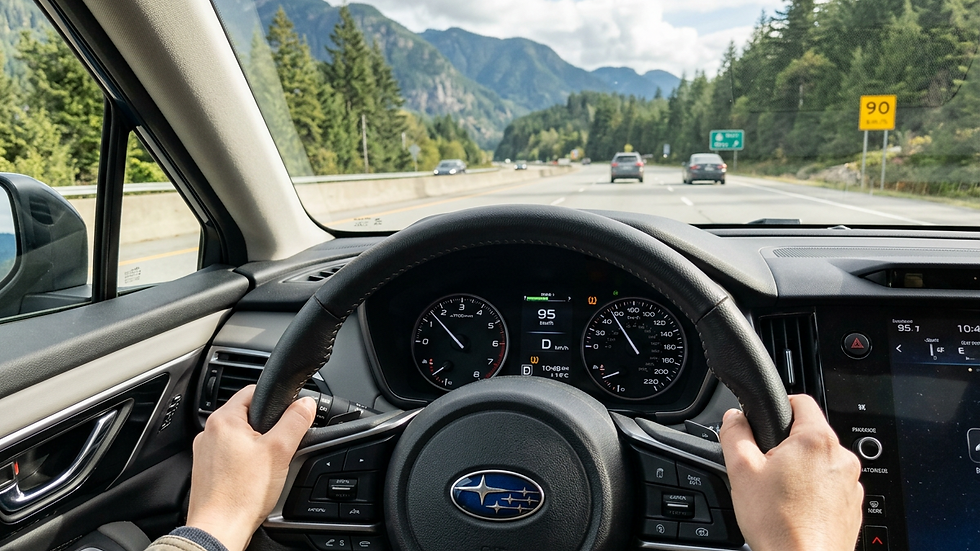
Gradually increase difficulty: Move from quiet streets to busier roads, highways, and different weather conditions.
This step-by-step learning process helps beginners develop their skills safely and effectively.

Tips for Building Confidence Behind the Wheel
Confidence grows with experience and preparation. Here are some tips to help new drivers feel more at ease:
Stay calm and patient: Mistakes happen. Take deep breaths and focus on learning.
Drive with a trusted companion: Having an experienced driver along can provide reassurance and advice.
Visualize success: Imagine handling different driving scenarios calmly and correctly.
Review mistakes constructively: Learn from errors without self-criticism.
Set small goals: Celebrate milestones like driving on a highway or parking without assistance.
By following these tips, beginners can reduce anxiety and enjoy the learning journey.
Essential Driving Skills for Beginners to Practice Regularly
To become a skilled driver, practice these key skills often:
Smooth acceleration and braking: Avoid jerky movements to ensure passenger comfort and vehicle control.
Proper mirror use: Check mirrors frequently and before every lane change or turn.
Lane discipline: Stay centered in your lane and use signals when changing lanes.
Safe following distance: Maintain at least a two-second gap behind the vehicle ahead.
Night driving: Practice using headlights and adjusting speed for reduced visibility.
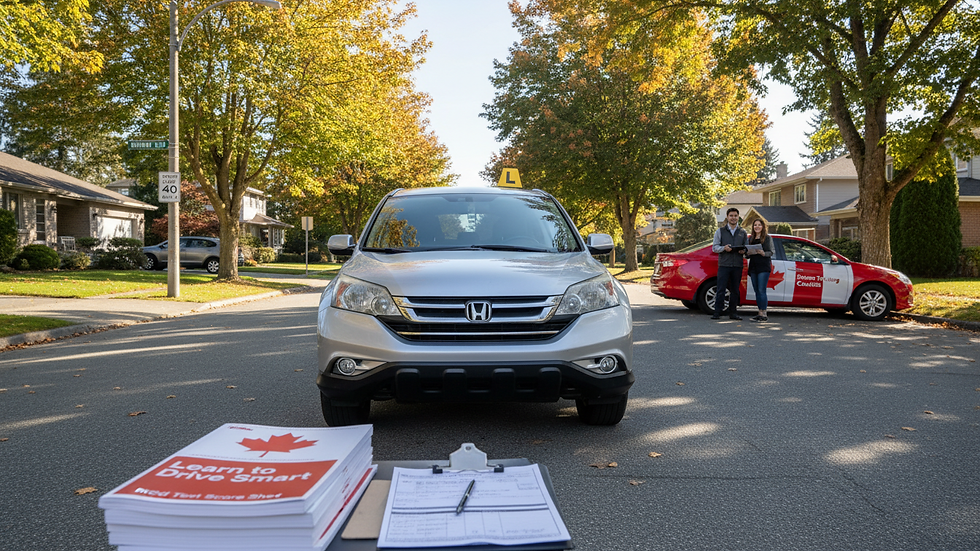
Regular practice of these skills will prepare beginners for their ICBC road test and real-world driving challenges.
For those looking for more detailed guidance, exploring driving skills for beginners can provide valuable resources and tips.
Moving Forward with Confidence and Safety
Mastering these beginner driver essentials sets the stage for a lifetime of safe driving. With patience, practice, and the right instruction, new drivers can gain the skills and confidence needed to navigate Vancouver’s roads and beyond. Remember, driving is a skill that improves with time and experience. Stay focused, stay safe, and enjoy the journey ahead.

Comments